The establishment of a macadamia nursery in Bwishyura Sector, Karongi District, represents a strategic initiative aimed at promoting sustainable agriculture while improving local livelihoods. This project is designed not only to introduce a high-value crop to the region but also to address pressing environmental challenges such as land degradation, soil erosion, and declining agricultural productivity. By integrating macadamia cultivation into local farming systems, the initiative creates a balanced approach that combines economic growth with ecological restoration.
Macadamia trees, originally native to Australia, are well-suited to the environmental conditions of Bwishyura. The region benefits from a favorable climate with adequate rainfall and temperatures that support the growth of perennial crops. Additionally, the soils in this area—primarily volcanic and loamy—are fertile and well-drained, providing an ideal foundation for macadamia farming. These natural advantages position the sector as a promising location for expanding macadamia production and maximizing agricultural output.
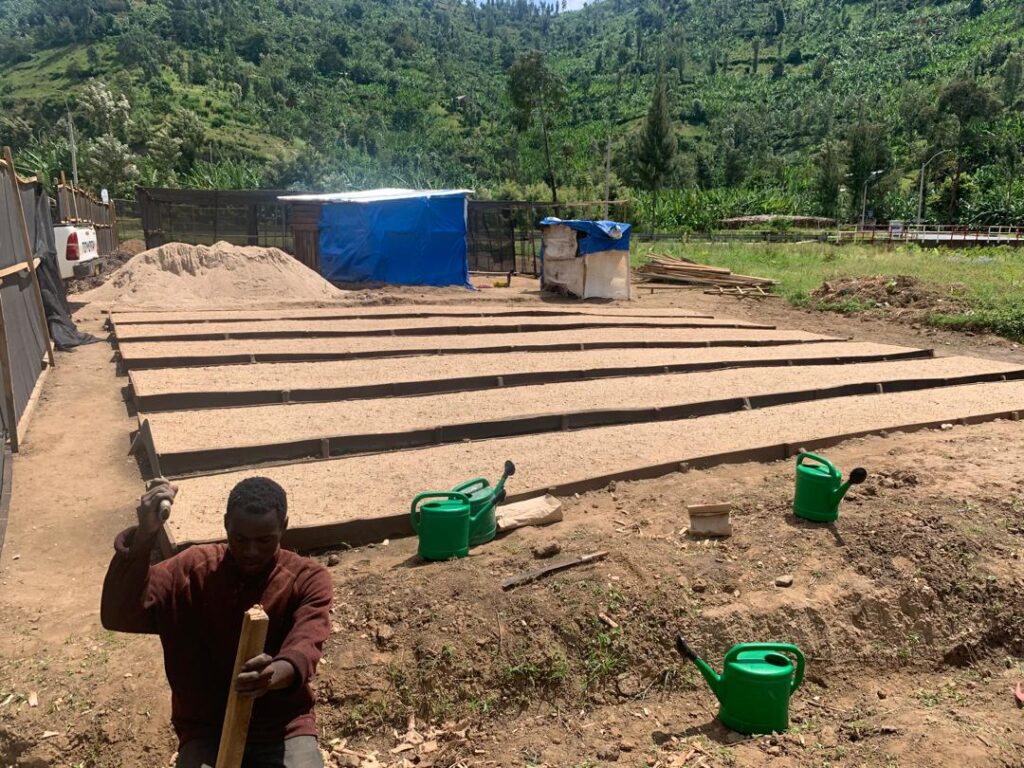
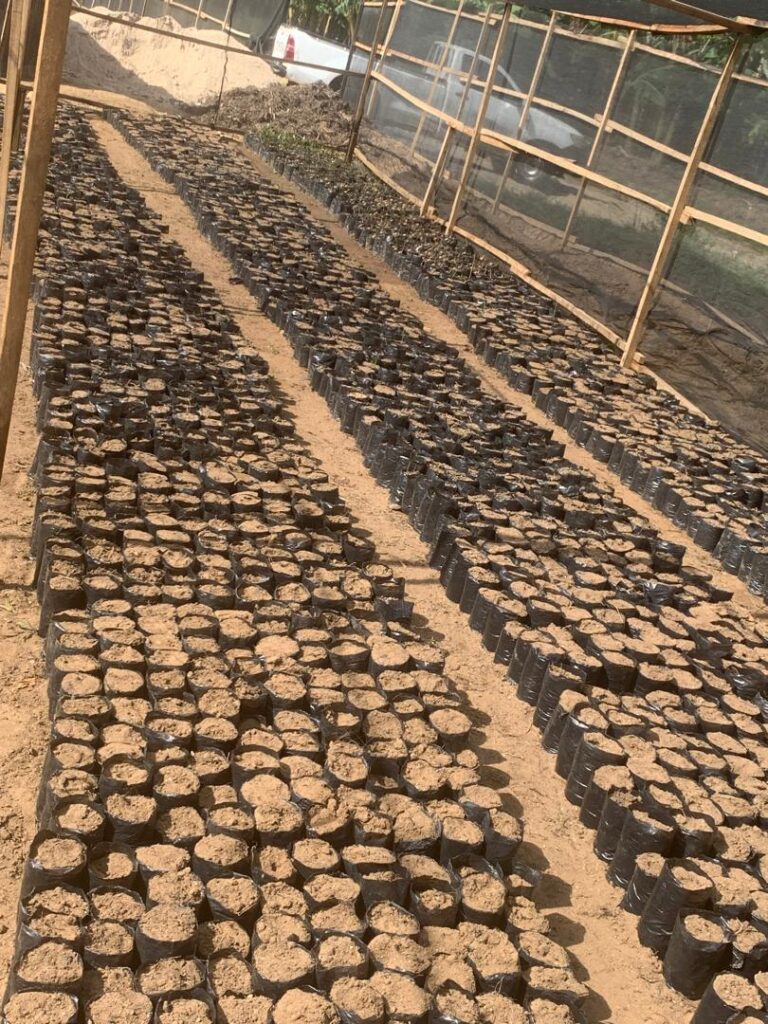
At the center of this initiative is a newly established nursery bed covering approximately one hectare. This nursery has the capacity to produce up to 20,000 macadamia seedlings each year, ensuring a steady supply of high-quality planting materials for local farmers. Advanced cultivation techniques are employed to optimize seedling growth, including proper soil management, controlled irrigation, and the selection of superior parent stock. These practices help ensure that the seedlings are resilient, disease-resistant, and capable of producing high yields once transplanted to farms.
Beyond production, the nursery serves as a critical hub for education and capacity building. Local farmers are provided with training programs that cover essential aspects of macadamia cultivation, including planting techniques, pest and disease management, soil conservation, and harvesting methods. These training sessions are designed to empower farmers with practical knowledge and skills, enabling them to adopt sustainable farming practices and improve productivity on their land. By fostering knowledge transfer, the project helps build a more resilient and informed agricultural community.
The environmental benefits of macadamia farming are significant and long-lasting. Macadamia trees have deep root systems that stabilize the soil and improve its structure over time. This reduces the risk of erosion, particularly in areas prone to heavy rainfall and land degradation. The trees also enhance soil fertility by promoting better nutrient cycling and water retention. In addition, integrating macadamia trees into farming systems contributes to increased biodiversity, as they create habitats for various plant and animal species. This supports a healthier ecosystem and strengthens the overall sustainability of agricultural landscapes.
From an economic perspective, macadamia cultivation offers substantial opportunities for income generation. Macadamia nuts are a high-value product with strong demand in both local and international markets. As farmers begin to harvest and sell their produce, they can benefit from premium prices, leading to increased household income and improved living standards. The project also creates employment opportunities within the community, ranging from nursery management and farm labor to processing and marketing activities. These opportunities contribute to local economic growth and reduce reliance on traditional, lower-income farming practices.
Community involvement is a key pillar of the project’s success. Local residents are actively engaged in nursery operations, training sessions, and decision-making processes. This inclusive approach fosters a sense of ownership and responsibility among community members, ensuring that the project is sustainable in the long term. Collaboration between farmers, agricultural experts, and local leaders also encourages knowledge sharing and innovation, strengthening the overall impact of the initiative.
In addition to its immediate benefits, the macadamia nursery project holds strong potential for future expansion and sustainability. As farmers gain experience and confidence in macadamia cultivation, they can scale up their production and explore value-added opportunities such as processing and exporting nuts. The integration of modern agricultural technologies—such as improved irrigation systems, organic fertilizers, and efficient pest control methods can further enhance productivity while minimizing environmental impact. These advancements will help ensure that the project remains resilient in the face of climate change and evolving agricultural challenges.
The initiative also aligns with broader goals of environmental conservation and sustainable development. By promoting agroforestry practices, the project contributes to reforestation efforts and helps restore degraded lands in the Lake Kivu region. This not only improves agricultural productivity but also supports climate resilience by increasing carbon sequestration and reducing environmental stress. The combination of ecological restoration and economic empowerment makes macadamia farming a powerful tool for sustainable development.
Ultimately, the macadamia nursery in Bwishyura Sector serves as a model for how agriculture can be leveraged to address both environmental and socio-economic challenges. It demonstrates that with the right resources, training, and community engagement, it is possible to create systems that benefit people while protecting the environment. The project’s integrated approach ensures that farmers are not only able to earn a stable income but also contribute to the long-term health of their land.
As the initiative continues to grow, it is expected to play a transformative role in the region. By strengthening agricultural practices, creating economic opportunities, and restoring natural ecosystems, the macadamia nursery project is paving the way for a more sustainable and prosperous future. It highlights the importance of investing in innovative agricultural solutions that empower communities and promote environmental stewardship, ensuring lasting benefits for generations to come.